Meditation is an ancient practice that, in the face of modern-day stress, offers a refuge for inner peace and focus.
But how can we practice it and incorporate it into our daily lives?
This article explores the basics of meditation, its techniques, and its proven benefits.
Whether you’re a beginner or an experienced practitioner, discover how to make meditation a tool for your well-being.
What is meditation?
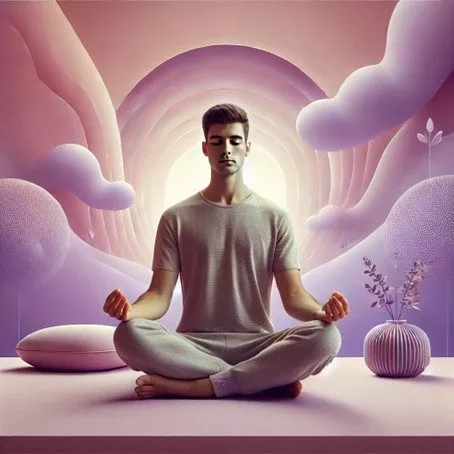
Meditation is a mental and spiritual practice aimed at focusing the mind and cultivating a state of calm and clarity. It relies on techniques such as breathing, concentration, and observing thoughts without judgment.
All Meditations resources
Learn to observe your present moment experience, draw your attention inward to center your body and mind, invite a sense of connection intertwined with the world around you.
Historical Overview
- Origins in India (5000 B.C.): Meditative practices in the Indus Valley and the Vedic texts.
- Buddhism (6th century BCE): The Buddha’s teachings on Vipassana and Samatha.
- Taoism in China (4th century B.C.): Meditation to harmonize the body and mind with the Tao.
- Christianity (1st century CE): Contemplative prayer of the Desert Fathers and mystical traditions.
- Zen in Japan (6th century CE): The practice of zazen for an intuitive understanding of reality.
- The West (20th century): Popularization through scientific research and modern approaches such as mindfulness and transcendental meditation.
A universal and timeless practice, meditation has evolved across cultures, becoming an essential tool for mental, emotional, and spiritual well-being.
What is mindfulness meditation?
Mindfulness meditation involves paying kind and non-judgmental attention to the present moment. It is based on three fundamental principles:
- Be mindful of the present moment: Observe your thoughts, emotions, and sensations without distraction.
- Non-judgment: Accepting every experience without labeling it.
- Acceptance: Letting things be as they are.
Origins and Evolution
Buddhist Roots: Inspired by Vipassana and Anapanasati practices, aimed at deep understanding and spiritual awakening.
Modern adaptation: Popularized in the 1970s by Jon Kabat-Zinn through the MBSR program, it is now used in medicine, psychology, and the corporate sector.
In short, this ancient practice, adapted to the modern world, helps cultivate mindfulness and well-being in everyday life.
How do you practice mindfulness meditation?
Key Steps
- Choose a quiet place: Always sit down in a peaceful spot.
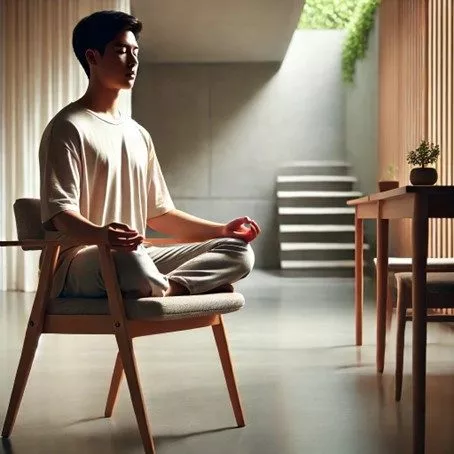
- Assume a relaxed posture: Keep your back straight, hands resting on your knees, and eyes closed or cast downward.
- Focus on your breathing: Notice the air flowing in and out naturally.
- Embrace your thoughts and emotions: Note them without judgment and gently bring your attention back to your breath.
- Be patient: It’s normal for your mind to wander; refocus without getting frustrated.
Practical Tips
- Start with 5 to 10 minutes and gradually increase the duration.
- Use a timer so you don’t have to keep track of the time.
- Establish a daily routine, ideally in the morning or before bed.
- Manage distractions by observing them without reacting.
- Use audio guides or apps to make practicing easier.
- Incorporate mindfulness into your daily routine (walking, eating, household chores).
When practiced regularly, this practice promotes mental clarity, serenity, and stress management.
Is this a spiritual or religious practice?
Meditation can be spiritual or secular, depending on the intention and context.
- Spiritual aspects: Used in various traditions to connect with the divine, cultivate inner peace, or attain enlightenment.
Examples of meditative practices in various traditions
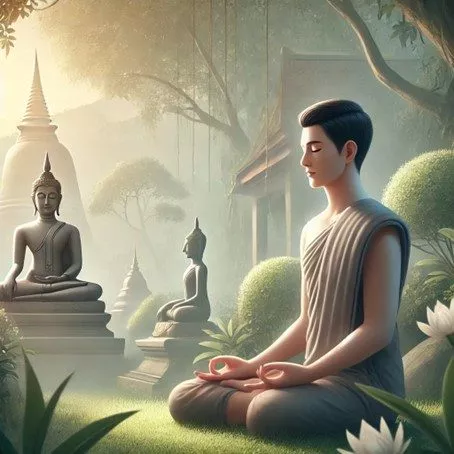
- Buddhism:
- Vipassana: A meditation technique that involves the mindful observation of bodily sensations and thoughts to develop a deep understanding of the nature of reality.
- Zazen: Seated meditation practiced in Zen Buddhism, in which the focus is on posture, breathing, and observing thoughts without attachment.
- Christianity:
- Contemplative prayer: A form of silent meditation in which one focuses on the presence of God, often accompanied by the recitation of prayers or the reading of Scripture.
- Lectio Divina: A meditative practice that involves reading, meditating on, praying over, and contemplating a passage from Scripture to deepen one’s relationship with God.

- Hinduism:
- Dhyana: One of the stages of yoga, in which one focuses on an object or a mantra to achieve a state of deep concentration and mental tranquility.
- Mantra: The repetition of sacred words or phrases (mantras) to calm the mind and connect with divine energy.

- Secular Practices:
- Mindfulness: A practice that involves paying full and compassionate attention to the present moment, often used in therapy to reduce stress and improve mental well-being.
- Transcendental Meditation: A technique that uses the silent repetition of a mantra to calm the mind and promote a state of deep relaxation and heightened awareness.
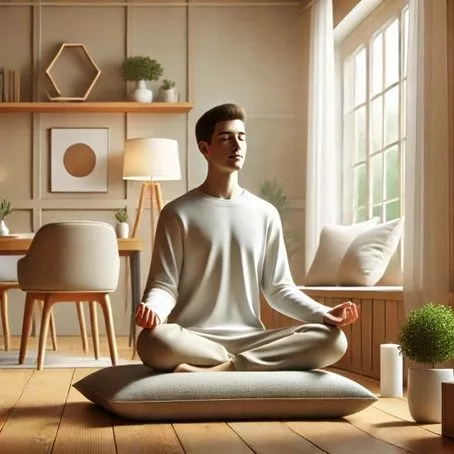
In short, meditation can be adapted to suit everyone’s beliefs and needs, whether they are spiritual or focused on personal well-being.
How do you meditate?
Basic Poses
- Seated: On a chair (feet flat on the floor) or a cushion (cross-legged, half-lotus, back straight).
- Lying down: Lying on your back with your arms relaxed—ideal for deep relaxation.
- While walking: Slow, mindful walking, in sync with your breath.
Breathing technique
- Take a few deep breaths, then let a natural rhythm take over.
- Focus on the air flowing in and out, or on the movement of your abdomen.
- Bring your attention back to your breathing as soon as your mind wanders.
Useful resources

- Meditation cushion or bench for a stable and comfortable posture.
- Rugs for added comfort on the floor.
- Loose-fitting clothing to make breathing easier.
- A timer to help you focus without having to keep track of the time.
Do we need a dedicated space?
A quiet space helps you concentrate and relax.
Create a meditation space
- Choose a quiet place, away from distractions.
- Soft lighting, candles, or natural light.
- Minimalist decor, featuring cushions, plants, or inspiring objects.
- A soothing atmosphere, incense, essential oils (lavender, sandalwood).
- Minimize distractions; put your devices on silent mode.
A dedicated space encourages deeper and more regular meditation.
How can I motivate myself to meditate?
Incorporating meditation into your routine
- Start small: Begin with 5 to 10 minutes a day and gradually increase the time.
- Choose a specific time: Meditating when you wake up or before bed helps establish a habit.
- Incorporate into a daily routine: After brushing your teeth or before a meal.
- Use reminders: Alarms, apps, or visual notes.
- Set up a dedicated space: Have a spot ready to make your practice easier.
Motivational Strategies
- Keep a journal: Write down your feelings and progress.
- Set realistic goals: For example, meditate three times a week and then increase the frequency.
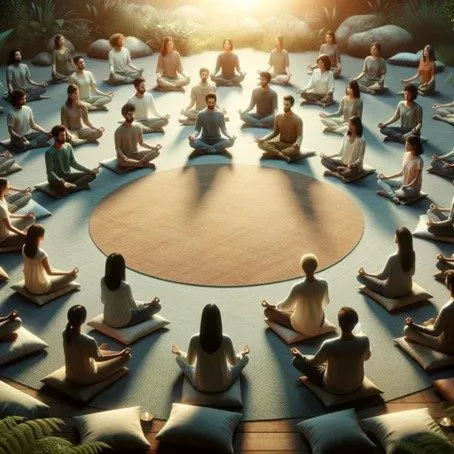
- Join a group: Sharing the experience provides motivation and enriches your practice.
- Use guides and apps: Guided sessions to keep users engaged.
- Remember the benefits: reduced stress, improved concentration, and a sense of well-being.
- Vary your techniques: Try different methods to avoid getting bored.
- Create a cozy atmosphere: pillows, candles, soft music.
By adopting these habits, meditation becomes more natural and beneficial in your daily life.
How much time should you set aside each day for meditation?
Recommended duration
- Beginners: 5 to 10 minutes a day to get used to it without any pressure.
- Advanced practitioners: 20 to 30 minutes a day for cumulative benefits.
- Experienced meditators: 30 to 60 minutes a day for a deep immersion.
Examples of sessions
- Short (5–10 min): Breathing meditation or body scan.
- Sessions (30 min): Sitting meditation (Zazen) or guided meditation.
- Long (45–60 min): Meditative walks or in-depth sessions.
Key Tips
- Consistency: It’s better to exercise for 5 minutes a day than for 30 minutes once a week.
- Flexibility: Adjust the duration to fit your schedule.
- Note: Take note of the effects so you can adjust your practice.
The bottom line: meditate regularly, no matter how long.
Why meditate while sitting?
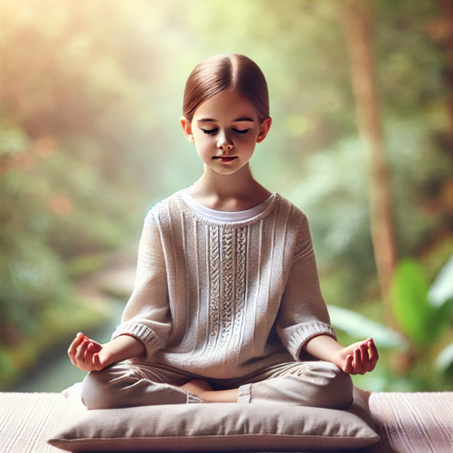
Benefits of sitting
- Stability and focus: Promotes attention and reduces distractions.
- Optimal breathing: Promotes deep, steady breathing.
- Less drowsiness: Maintains alertness compared to lying down.
- Grounding: Strengthens your connection to the ground for greater stability.
- Flexibility: Can be used anywhere (chair, cushion, bench).
Alternatives for those who are struggling

- Walking meditation: Awareness of footsteps and movement.
- Meditation while lying down: Suitable for those experiencing pain, but there is a risk of falling asleep.
- Standing meditation: Ideal for short sessions.
- Semi-seated position: Lumbar support on a reclining chair.
Tips
- Listen to your body and choose a comfortable position.
- Try different positions depending on how you’re feeling at the moment.
- Please be patient; it takes time to adjust.
The key is to find a posture that allows you to meditate effectively.
What are the benefits of meditation?
Physiological benefits
- Stress reduction: Lowers cortisol levels and calms the body.
- Improved concentration: Enhances focus and memory.
- Lower blood pressure: Promotes cardiovascular relaxation.
- Boosts the immune system: Stimulates the body’s natural defenses.
- Better sleep: Reduces anxiety and improves sleep quality.
- Relief from chronic pain: Changing the perception of pain.
Psychological benefits
- Less anxiety: Calms the mind and reduces negative thoughts.
- Emotional well-being: Fostering gratitude and contentment.
- Alleviating depressive symptoms: Changing negative thought patterns.
- Developed emotional intelligence: Improves emotional management.
- Stress resilience: Helps you bounce back more effectively when faced with challenges.
- Mindfulness: Learning to live in the present moment with peace of mind.
Meditation transforms the body and mind by promoting balance and well-being.
Meditation and Stress
How does meditation reduce stress?
- Promotes relaxation: Stimulates the parasympathetic nervous system, lowering heart rate and blood pressure.
- Lowers cortisol: Reduces the stress hormone for mental and physical relaxation.
- Enhances self-awareness: Helps you better manage stress triggers.
- Promotes acceptance and letting go: Helps you observe your thoughts without getting attached to them.
- Building resilience: Strengthening the ability to cope with challenges more calmly.
Meditation Techniques for Stress Relief
- Mindfulness (10–20 min): Observe your breath and thoughts without judgment.
- Body Scan (20–45 min): Mindfully relax each part of the body.
- Visualization (10–30 min): Imagine a peaceful place to find immediate calm.
- Compassion Meditation (15–30 min): Cultivating kindness toward oneself and others.
- Focused breathing (5–20 min): Count your breaths to calm your mind.
- Gratitude (10–15 min): Focus on three positive things to cultivate a calm state of mind.
Choosing the right method
- Mindfulness: Perfect for managing stress in everyday life.
- Body scan: Helps you relax after a stressful day.
- Visualization: Helps you refocus during times of intense stress.
- Compassion: Enhances empathy and reduces negative emotions.
- Focused Breathing: A quick solution for acute stress.
- Gratitude: Improves mood and reduces anxiety.
Meditation is an effective way to reduce stress and foster lasting well-being.
What about you? What does meditation do for you?
We invite you to share your own meditation experiences in the comments below. How has meditation improved your life?
Join us on this journey toward a calmer, more balanced life!