In today’s society, stress is everywhere and affects our physical and mental well-being.
In the face of this reality, spirituality offers powerful tools for calming the mind and restoring inner balance.
This article explores how practices such as meditation, yoga, and crystal therapy can help people better manage stress and cultivate a sense of calm in their daily lives.
Whether you’re a beginner or an experienced practitioner, you’ll find tips and techniques here to help you transform your relationship with stress and move toward greater well-being.
Meditation: Cultivating Inner Peace
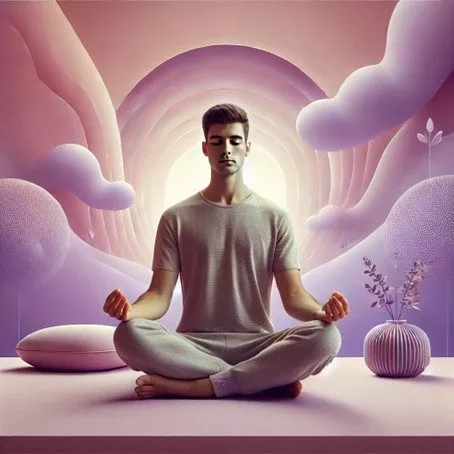
An ancient practice, meditation helps calm the mind, cultivate inner peace, and better manage stress. By focusing on the present moment, it helps interrupt the flow of anxious thoughts and promotes relaxation. By building emotional resilience, it fosters a more serene approach to everyday challenges.
Types of meditation for stress reduction
- Mindfulness meditation: Based on the non-judgmental observation of thoughts and sensations, it creates a space between stimulus and response, enabling better stress management.
- Transcendental Meditation: a practice based on the silent repetition of a mantra to achieve a deep state of calm and mental clarity.
Proven impact and benefits
Numerous studies show that meditation reduces cortisol (the stress hormone), improves emotional regulation, and promotes positive changes in the brain. Researchers at Harvard have even observed an increase in gray matter in areas associated with memory and empathy.
Simple techniques for beginners
- Mindful breathing: Focusing on your breath to calm the mind.
- Guided meditation: Let a voice guide you through apps like Calm or Headspace.
- Body scan: Pay attention to your body’s sensations to release tension.
When practiced regularly, meditation transforms stress management and improves overall well-being.
Crystal Therapy: The Soothing Energy of Stones
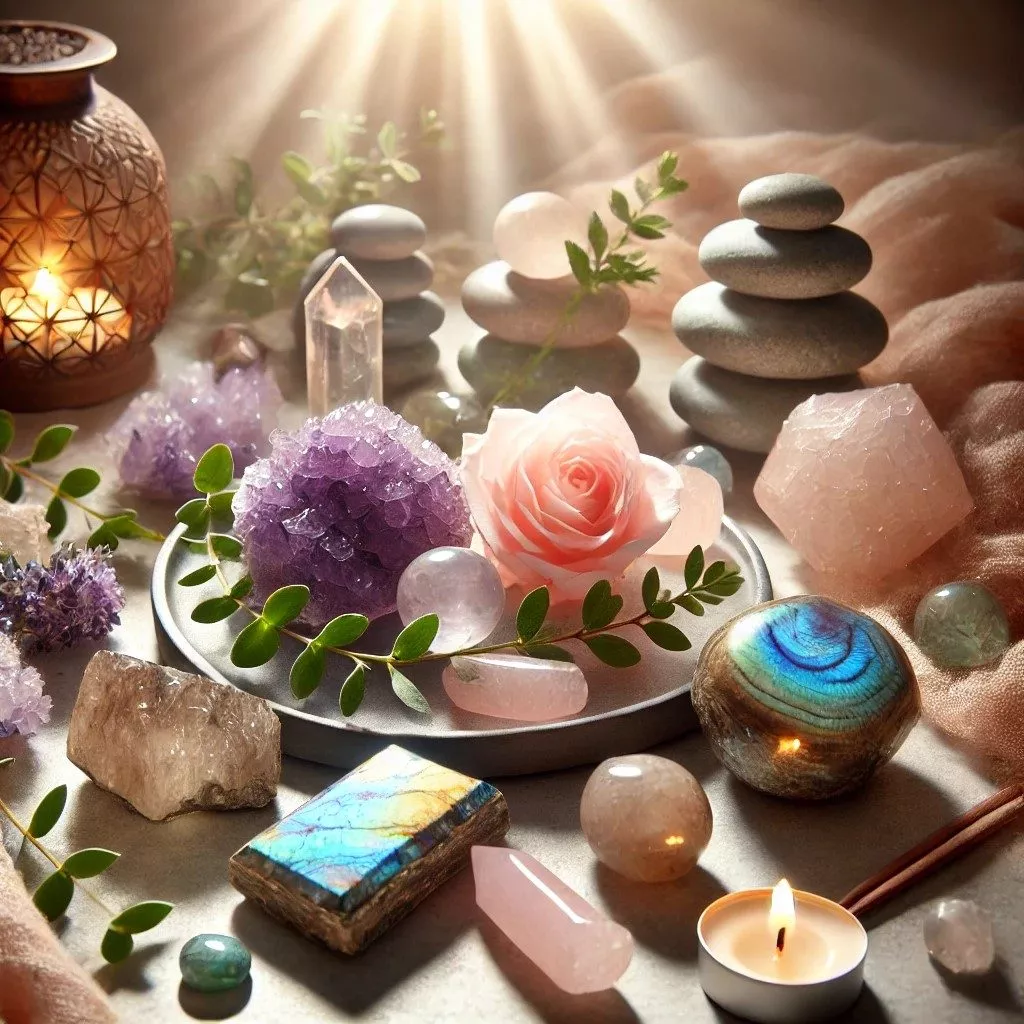
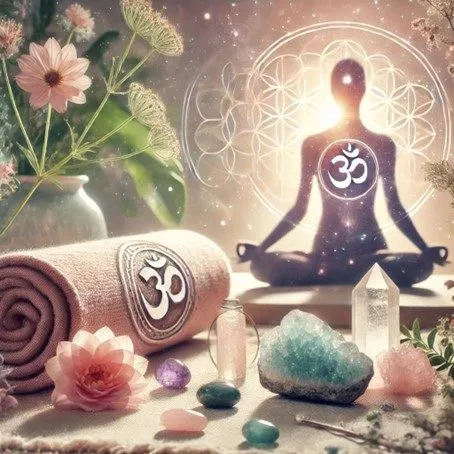
Crystal therapy involves the use of stones and crystals to balance the energies of the body and mind. Practiced for thousands of years, it draws inspiration from spiritual and energy-based traditions such as shamanism and Ayurveda. Each stone emits a unique vibration that can help relieve stress and enhance emotional well-being.
Stones for stress relief
- Amethyst: Calms the mind, promotes meditation, and improves sleep.
- Labradorite: Protects against negative energy and reduces mental fatigue.
- Rose quartz: Calms emotions and promotes inner harmony.
Incorporating stones into your daily life
- Jewelry: Wear a stone to enjoy its benefits at all times.
- Home: Place crystals around the house to influence the ambient energy.
- Meditation: Hold a stone while meditating to enhance its benefits.
Other stones, such as sodalite, citrine, and moonstone, are also known for their calming effects. To maintain their effectiveness, it is essential to cleanse them regularly (using moonlight or pure water).
Yoga: Harmony of Body and Mind
Originating in India, yoga combines physical postures (asanas), breathing exercises (pranayama), and meditation to bring balance to the body and mind. It helps reduce stress, calm the nervous system, and cultivate a sense of inner well-being.
The Benefits of Yoga for Stress Relief
- Physical: Relieves muscle tension, improves flexibility, and promotes relaxation.
- Mental: Promotes mindfulness and reduces anxious thoughts.
- Emotional: Reduces cortisol (the stress hormone) and boosts feel-good hormones.
Relaxing poses
- Savasana (Corpse Pose): Complete relaxation for deep rest.
- Balasana (Child’s Pose): Calms the mind and releases tension.
- Viparita Karani (Legs Against the Wall): Stimulates circulation and calms the nervous system.
Gentle yoga to relieve stress
- Hatha yoga: Simple poses and mindful breathing for gradual relaxation.
- Yin Yoga: Holding poses for extended periods to achieve total relaxation.
10-minute stress-relief session
- Mindful breathing (1 min): Sit down, inhale slowly through your nose, and exhale through your mouth.
- Balasana (2 min): Kneel down, lean forward, and take a deep breath.
- Viparita Karani (2 min): Lie down with your legs against the wall and your arms relaxed.
- Supta Baddha Konasana (2 min): Lie on your back with your feet together and knees apart.
- Savasana (3 min): Complete relaxation of the body and natural breathing.
When practiced regularly, yoga promotes lasting balance and a deep sense of well-being.
Mandalas and Symbols: Calming the Mind
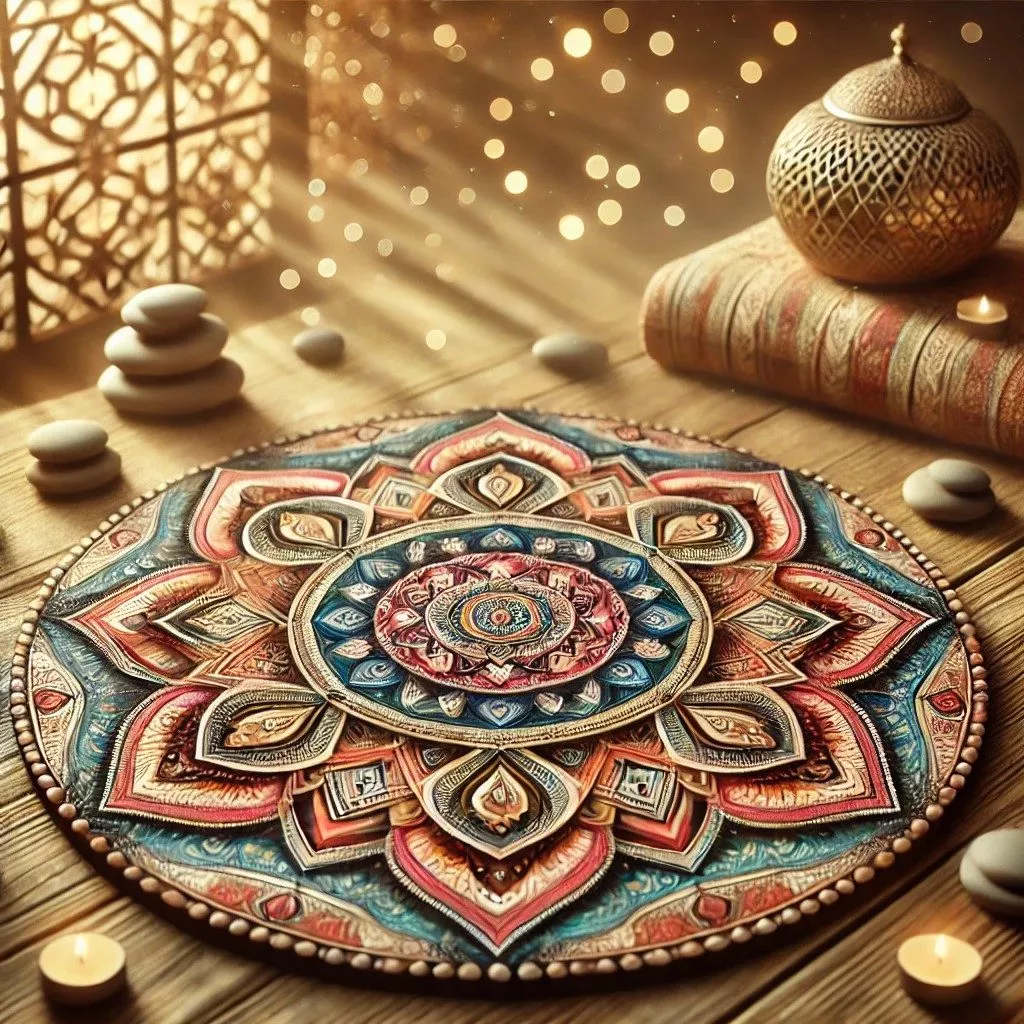
Mandalas: Meditation and Inner Harmony
The mandala, an ancient spiritual symbol, is used in Buddhism and Hinduism for meditation and inner balance. Composed of symmetrical shapes, it focuses the mind and calms the spirit.
- Usage: Staring at a mandala or coloring it helps improve concentration and reduce stress.
- Practice: Choose a mandala, focus your gaze on the center, and breathe deeply to enter a meditative state.
Spiritual symbols and serenity
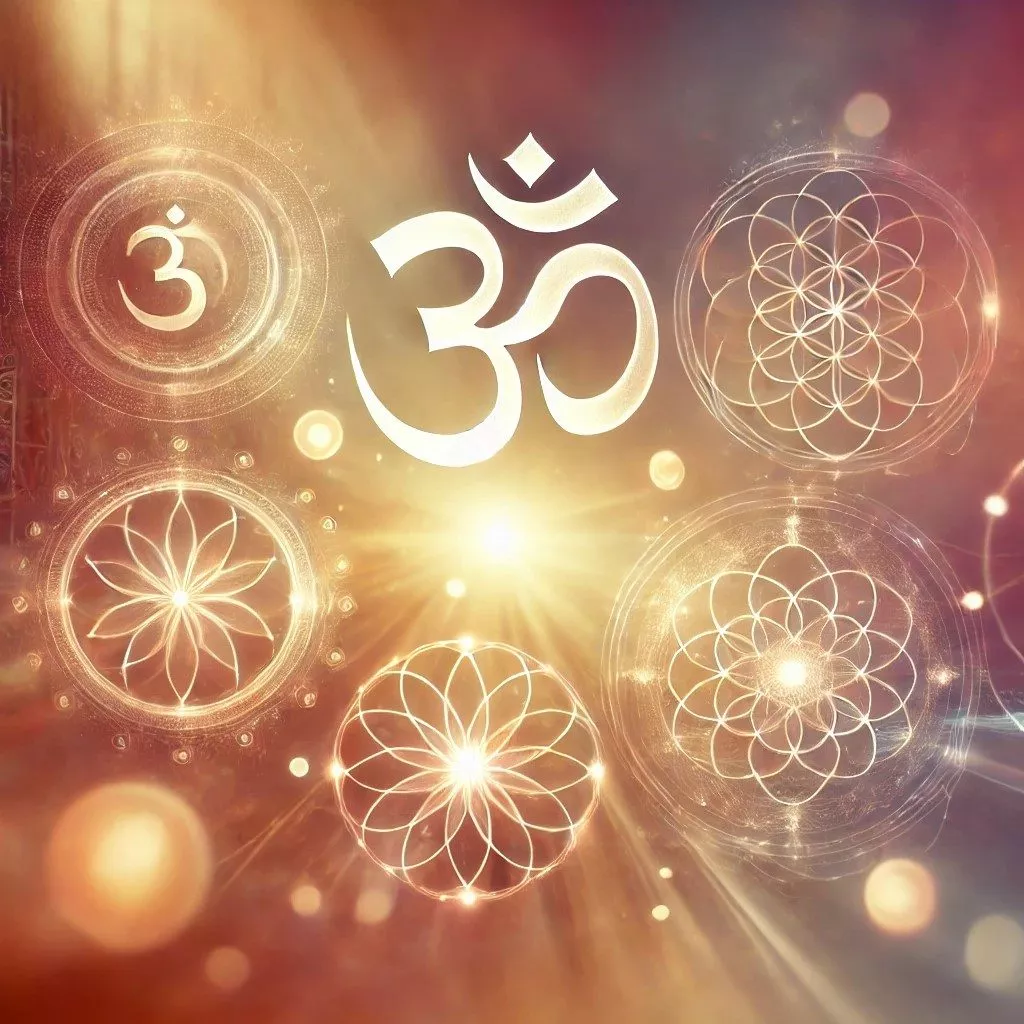
Certain sacred symbols evoke a sense of relaxation and harmony:
- Om (Aum): The primordial sound, used in meditation to calm the mind and establish a spiritual connection.
- Flower of Life: Represents universal harmony and brings a sense of stability.
- Spiral: Symbolizes evolution and transformation, encouraging acceptance of change.
Integration in everyday life
- Jewelry: Wear an Om pendant or a Flower of Life pendant as a constant reminder of balance.
- Decor: Hang a mandala or a Flower of Life in the room to create a soothing atmosphere.
- Meditation: Focusing on a symbol to promote relaxation and mindfulness.
By incorporating these elements, we foster an atmosphere that promotes well-being and reduces stress.
Breathing techniques to reduce stress
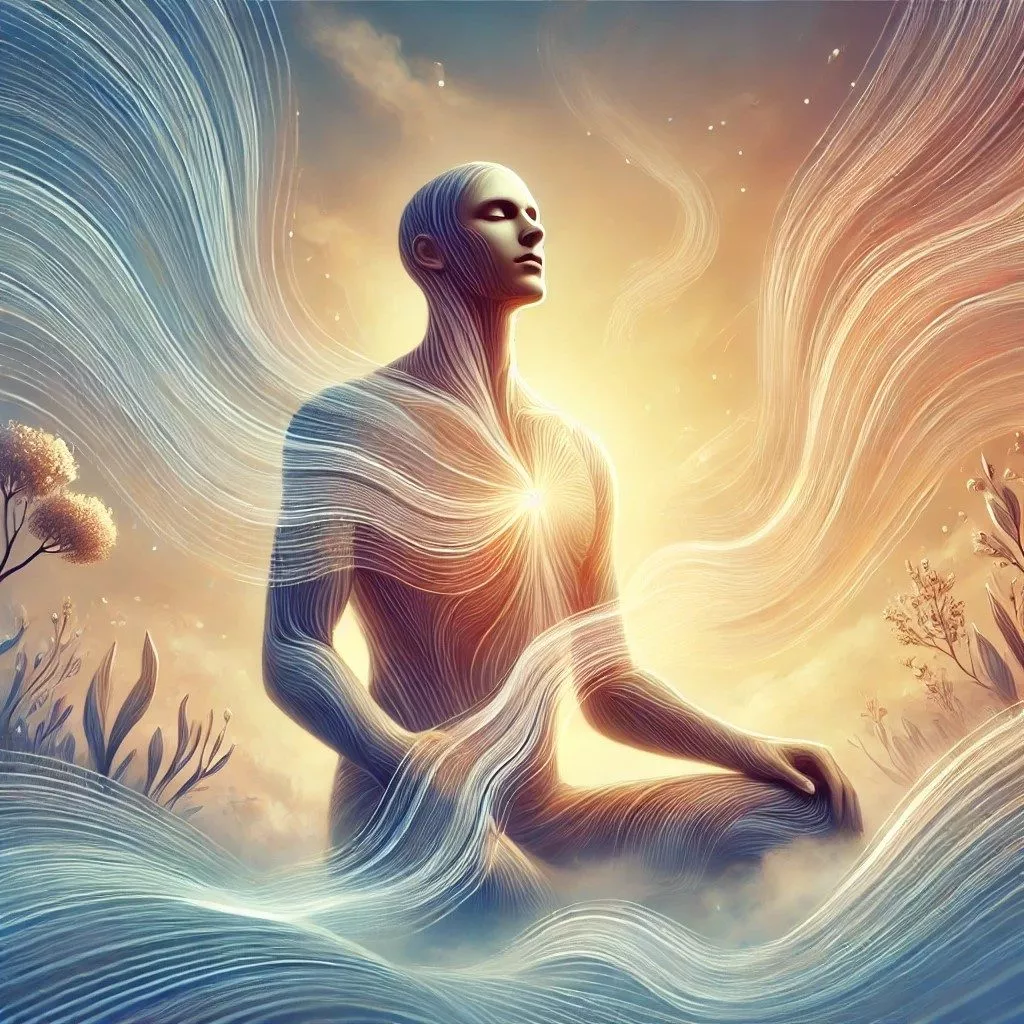
Breathing is a powerful tool for calming the mind and relieving stress. By using specific techniques, you can activate the parasympathetic nervous system—including the reduction of cortisol (the stress hormone)—and promote a state of relaxation.
Three effective techniques
- Cardiac coherence: Breathe in for 5 seconds, breathe out for 5 seconds, for 5 minutes. Regulates heart rate and balances emotions.
- Abdominal breathing: Breathe in deeply, letting your belly expand, and breathe out slowly. This calms the nervous system and reduces tension.
- Alternate Nostril Breathing (Nadi Shodhana): Inhale through one nostril and exhale through the other, alternating sides. Harmonize the mind and balance energy.
A simple exercise to try
- Sit down right away and close your eyes.
- Take a deep breath through your nose (4 seconds).
- Hold your breath (4 seconds).
- Exhale slowly through your mouth (6 to 8 seconds).
- Repeat for 5 to 10 minutes.
Doing these exercises every day helps manage stress and improve mental and emotional well-being.
Shamanism: A Spiritual Path to Reducing Stress

Shamans, ancient spiritual healers, use rituals to restore harmony and release energy blockages that cause stress and emotional distress.
Soothing shamanic practices
- Shamanic journeys: Altered states of consciousness induced through drumming and chanting to explore the spiritual causes of stress.
- Healing ceremonies: Energy cleansing with sacred herbs (sage, palo santo) and blessing rituals.
- Medicinal plants: Ayahuasca and peyote, when used under shamanic supervision, promote emotional release and mental clarity.
Shamanic Hypnotherapy
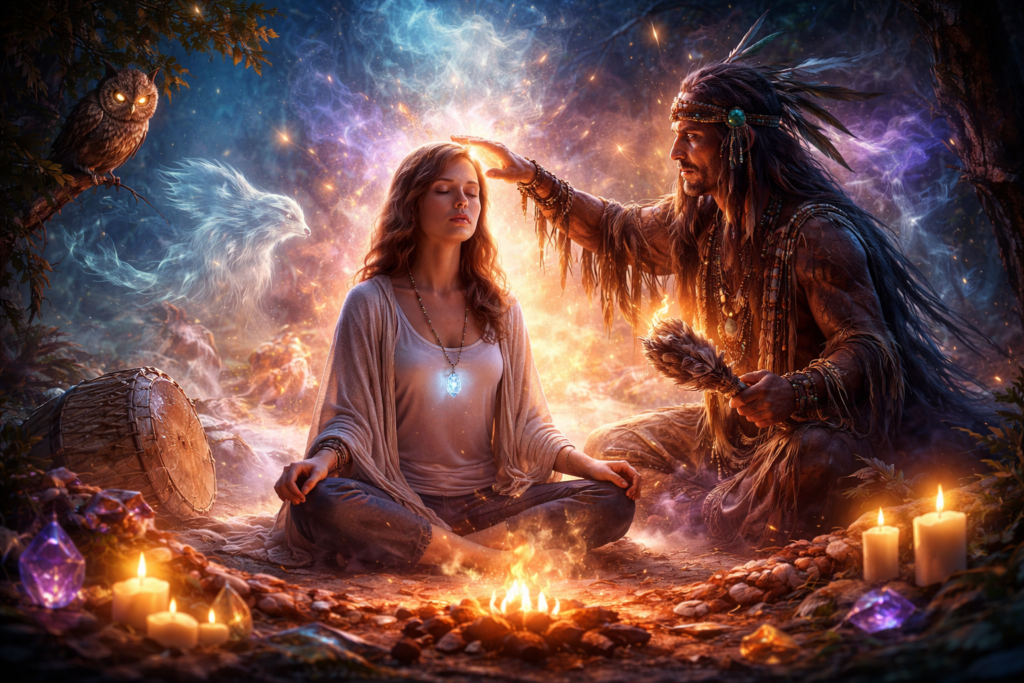
How can we draw insights from shamanic traditions to better integrate our shadow aspects and enhance our everyday lives? Shamanic healing can be seen as one of the early foundations of modern hypnosis, relying on elements such as plants, animal symbolism, or rhythmic drumming to guide the experience.
Through their practice, shamans help access the subconscious mind, allowing healing to occur without the need to relive past negative experiences. They often guide individuals on profound inner journeys, helping them move beyond surface awareness to uncover deeper truths.
Benefits observed
- Testimonials: Reduced anxiety and relief from trauma following shamanic ceremonies.
- Research: Ayahuasca has been shown to have antidepressant effects, and shamanic drumming induces soothing meditative states.
Integration in everyday life
Even without following a shaman, you can still adopt practices inspired by shamanism, such as guided meditation, herbal smudging, or visualization to calm the mind.
By balancing the body, mind, and energy, shamanism offers a holistic approach to providing lasting relief from stress.
In summary
This article explored various spiritual and energy-based practices for reducing stress and restoring inner balance:
- Meditation: Calm your mind through mindfulness and transcendental meditation.
- Crystal therapy: Amethyst, labradorite, and rose quartz help balance energy.
- Yoga: Poses such as Savasana and Balasana to calm the nervous system.
- Energy healing: Reiki, acupuncture, and chakra balancing release blockages.
- Mandalas and symbols: The Om and the Flower of Life promote serenity and focus.
- Mindful breathing: Techniques such as diaphragmatic breathing and alternate nostril breathing.
- Shamanism: Shamanic journeys and rituals to purify emotional energy.
Stress management is a personal journey. Try out these practices to discover which ones resonate with you and help you find inner peace and well-being.
We invite you to join the conversation in the comments section with other readers to share your experiences and gain a better understanding together of this feeling of unease that is stress.